Posts

Showing posts with the label Fuse

FUSE SIZING CONSIDERATIONS FOR HIGHER EFFICIENCY MOTORS
Image
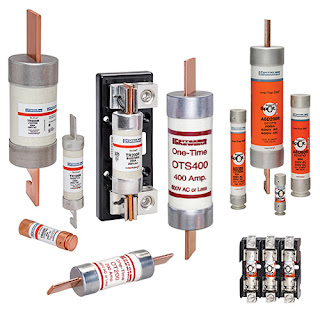
When selecting the proper fuse for short circuit protection in motor starting applications, it is important to not only ensure that the fuse will not nuisance open during motor start up times, but also that the fuse will coordinate as required with overload relays. When sizing fuses between 125% and 150% of the motor nameplate current, several advantages, including ease of coordination with an overload device, a smaller disconnect, and increased short circuit protection from a lower fuse rating, can be achieved. However, if sizing at this level prevents the motor from starting, it may then be necessary to increase the fuse ampere rating and it then becomes important to know the NEC sizing limitations. As of June 1, 2016, the US Department of Energy has mandated that newly manufactured electric motors will need to meet NEMA Premium® efficiency standards. As motor efficiencies increase, motor locked rotor currents can also be expected to increase. In addition to this, with across-the-lin...

Blade-Type Fuse Replacements Distinguish Overloads

Image
ETA Circuit Breakers has introduced a low-cost ETA 1626 miniaturised circuit breaker designed as a direct replacement for blade-type fuses. It protects fuses through its ability to distinguish between temporary surges and genuine overloads. As well as protecting electrical circuits in cars, trucks and buses, it can also be used in watercraft and other 12/24V DC wiring applications, such as heavy-duty and off-road vehicles. The new blade-type ETA 1626 Mini-CBE is available in three versions - with automatic reset, with a reset button, or with both a manual release and a reset button. The colour-coded ETA 1626s are available in all the standard current ratings offered by blade fuses, from 5 up to 30A. Depending on the version, when the 1626 has tripped, it resets automatically when the load is removed or the re-set button pops up, showing clearly which circuit has a fault. The colour coding provides quick and easy identification to ensure correct plug-in placement in standard ISO 8820-3...